Territory —
Architectonic
97 entries archived across 15 territories
Browse by






All entries
Edificio Comega, a Gateway to Modernity
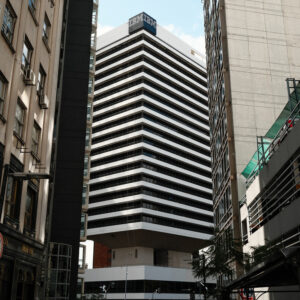
Torre IBM, Buenos Aires’ suspended tower
Sennefer Garden Plan, Tomb of the Vines
Rashad Shawa Cultural Center

Torre Dorrego, The Brutalist tower of Buenos Aires

Edificio Kavanagh, the pinnacle of Argentine rationalism
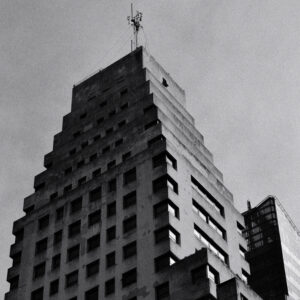
Edificio Safico, a Beacon of Modernity in Buenos Aires
Niemeyer’s Tripoli International Fair, The Ruins of Modernity
Santuario di Monte Grisa, Antonio Guacci

The Big Stone Game, Enzo Mari
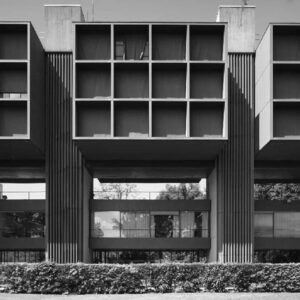
Centro Istruzione IBM, Morassutti
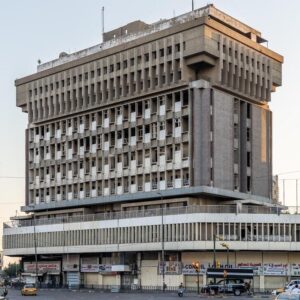
Iraqi Reinsurance Company Headquarters, Hisham Munir

Hall of Nations, Pragati Maidan, Raj Rewal
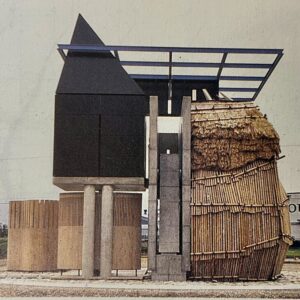
Monument to Time, Benson & Forsyth

Caja Granada, Impluvium de luz, Alberto Campo Baeza

Centro de Exposições do Centro Administrativo da Bahia, João Filgueiras Lima

Blue Box House, Mayumi Miyawaki

El Método Livingston, Medianeras of Buenos Aires

Sangath, Balkrishna Doshi

James R. Thompson Center, Helmut Jahn
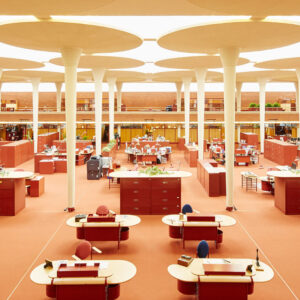
Johnson Wax Building, Frank Lloyd Wright

Monumento alla Partigiana, Carlo Scarpa
Stanley Tigerman, Six Planar Forms with Columns, Walls, Buttresses

Le logement dans la cité portuaire de Port-Saïd

Villa Losonci, György Kévés

Willow Run Airport, Minoru Yamasaki
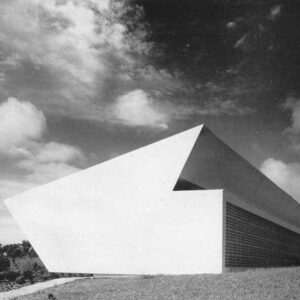
Escola Júlia Kubitschek, modern architecture and education in Brazil

Pimlico School, John Bancroft

Cretto di Burri, the Buried Town
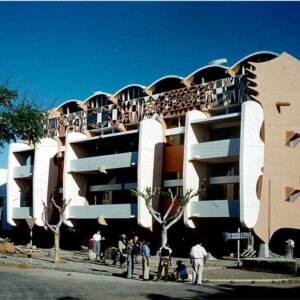
Pancho Guedes, Fluid Forms beyond the Utopia
The Hotel Haegumgang, a floating hotel in North Korea
The Shabono, Yanomami Community

The International Fair of Dakar, Postcolonial Architecture and Identity
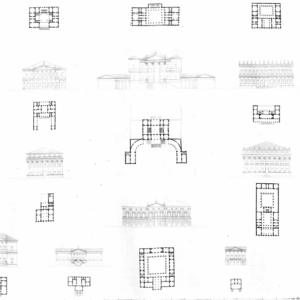
Jean-Nicolas-Louis Durand, Systematization and Composition

Japan Architect, Architecture Theory and Graphic Representation
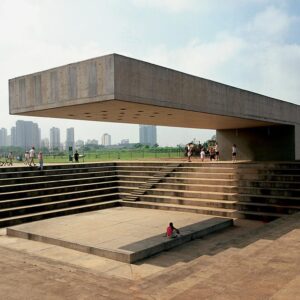
Ilha Musical, Decio Tozzi
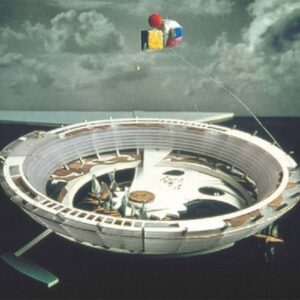
Paul Maymont, Thalassa and the Utopia of the Floating City
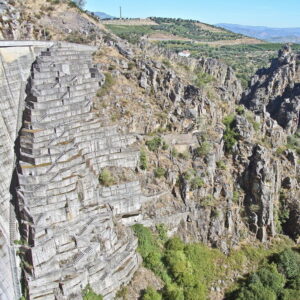
Barragem de Varosa, a Dam Between Rock and Concrete
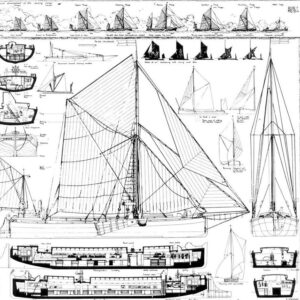
Verona, Ralph Erskine’s Studio Boat
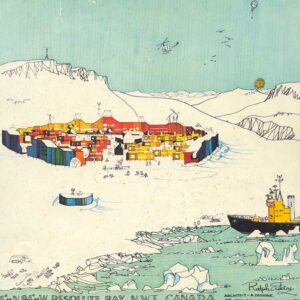
Resolute Bay, Ralph Erskine and the Arctic Utopia

Neft Daşları, a Sprawling City on the Sea
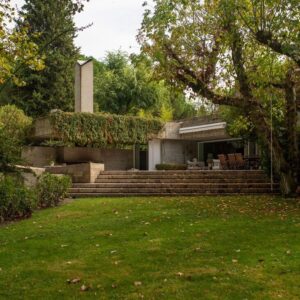
Casa Carvajal, a Brutalist House on a Slope
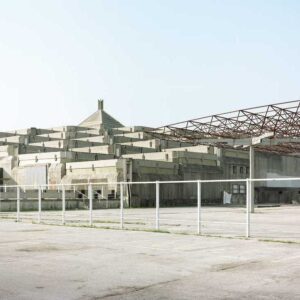
Giuseppe Davanzo, Foro Boario di Padova
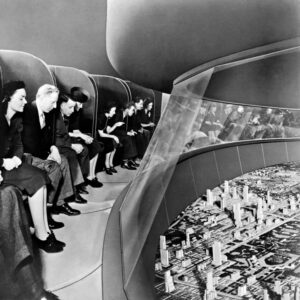
Futurama, The Prototype of the American Highway-City

Hypogeum, The Funeral Tower
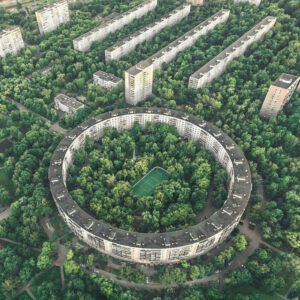
The Round House in Moscow

Heinz Bienefeld, Brick, Spaces and Surfaces

Espai Verd, A Vegetal Urban Cathedral
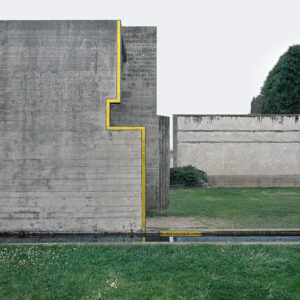
The Brion Cemetery, Carlo Scarpa

Michael Heizer, the Post Apocalyptic Sculpture of City

A Future City From The Past, Clemens Gritl

Espacio Escultórico, a Sculpture on Lava

Lina Bo Bardi, Casa sul Mare di Sicilia
Hassan Fathy, Building in the Desert in New Baris

Hassan Fathy, Building With the People in New Gourna

Musée d’Art Musulman d’Alger, André Ravéreau
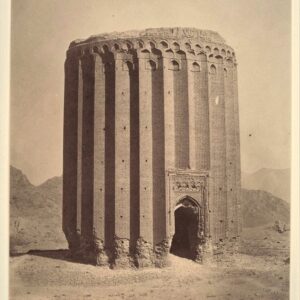
Seljuk Architecture, The Tughrul Tower
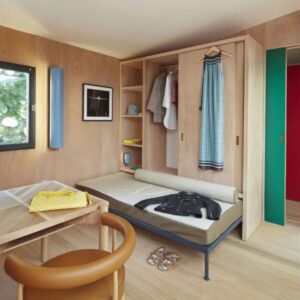
La Maison au Bord de l’Eau, a Project for the Right to Leisure

Hannsjörg Voth, Connecting the Earth to the Stars
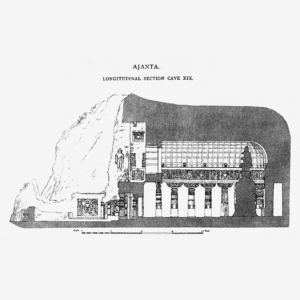
Rock-Cut Architecture of India, The Ajanta Caves
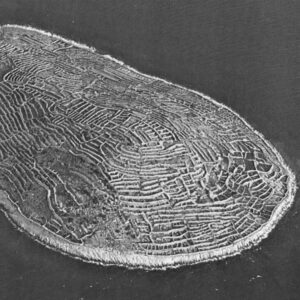
Bavljenac, The Island of 1000 Walls

Maasai Villages, an Architecture Designed by the Traditional Pastoral Way of Life
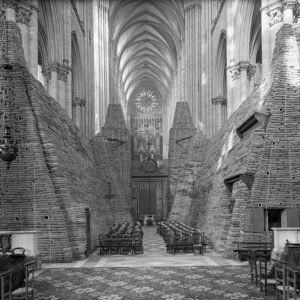
The Consolidation of the Amiens Cathedral

Vertical City and Urban Fiction
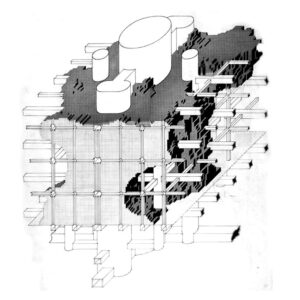
Compact City, Primitive Forms and High Tech Language
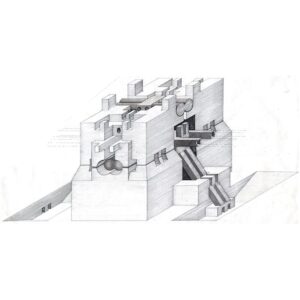
Walter Pichler, Nucleus and Underground Building

Palais de la Découverte, Technical Monumentality and Ovoid Forms

La Maison de la Publicité, a High Tech Architecture Ahead of its Time

Musée International d’horlogerie, a Troglodyte Architecture

Pierre Zoelly, a House for a Sculptor

The Higüey Basilica, a Brutalist Cathedral in the Caribbean
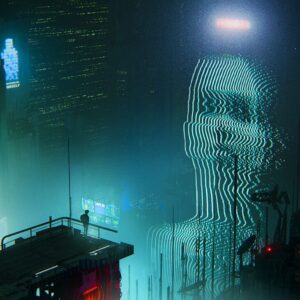
Building Megalopolis, Benjamin Bardou

Freddy Mamani’s Neo-Andean architecture

Anastasis Church, Álvaro Siza
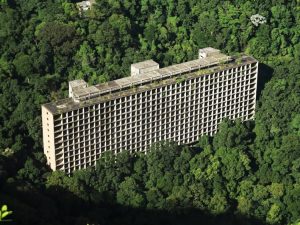
The Abandoned Gávea Tourist Hotel

The Delta Works, The Oosterscheldekering

Kenzo Tange, Kagawa Prefectural Gymnasium
Fujian Tulou, the Hakka Walled Villages

The Architecture of Parliaments Around the World
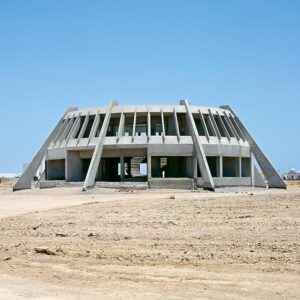
Ghost-Town, the Abandoned Hotel Resorts in Sinai

The two faces of the Basilica of San Petronio in Bologna

Ukivok Island, The Ghost Village on Stilts
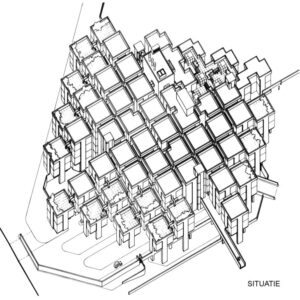
Centraal Beheer Office Building, Dutch Structuralism

Velsertunnel Ventilation Building
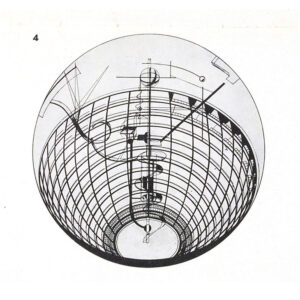
The Total Theater of Bauhaus

Kirov Reservoir
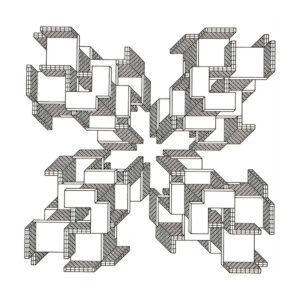
The Formal Generator of Structures, Stanley Tigerman

Heliografías, the Architecture of Madness

Obsolete industrial structures, Repurposed Utility

The Flevoland Observatorium
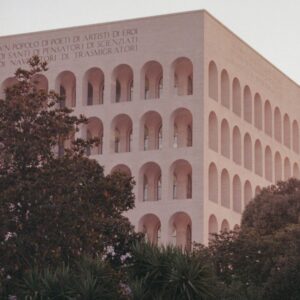
Another Rome: EUR District
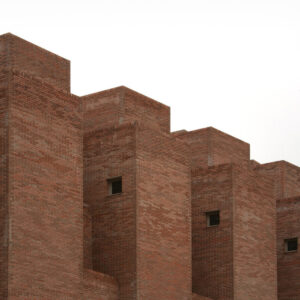
Brick by brick, 36 dwellings in Ciudad Pegaso
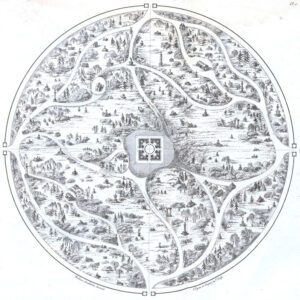
Cemeteries: le champ de repos
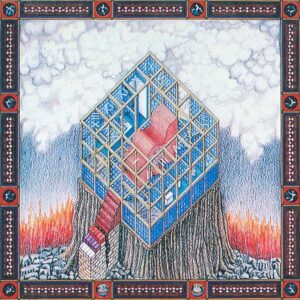
Bathing Pavilion: Dante’s Inferno
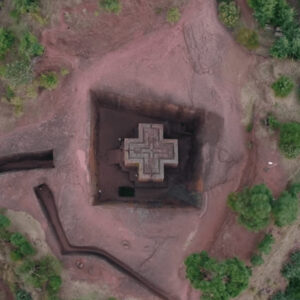
The Rock-hewn churches of Lalibela: Bete Giyorgis

Asian Mega Ports