Home / Territory / Architectonic / Center for Marine Research, Syrian modernism in the Mediterranean
Architectonic — Architecture — Marine — Territory — 28 September 2026

Center for Marine Research, Syrian modernism in the Mediterranean

Subject High Institute of Marine Research
Author Bourhan Tayara
Location Latakia, Syria
Year 1971

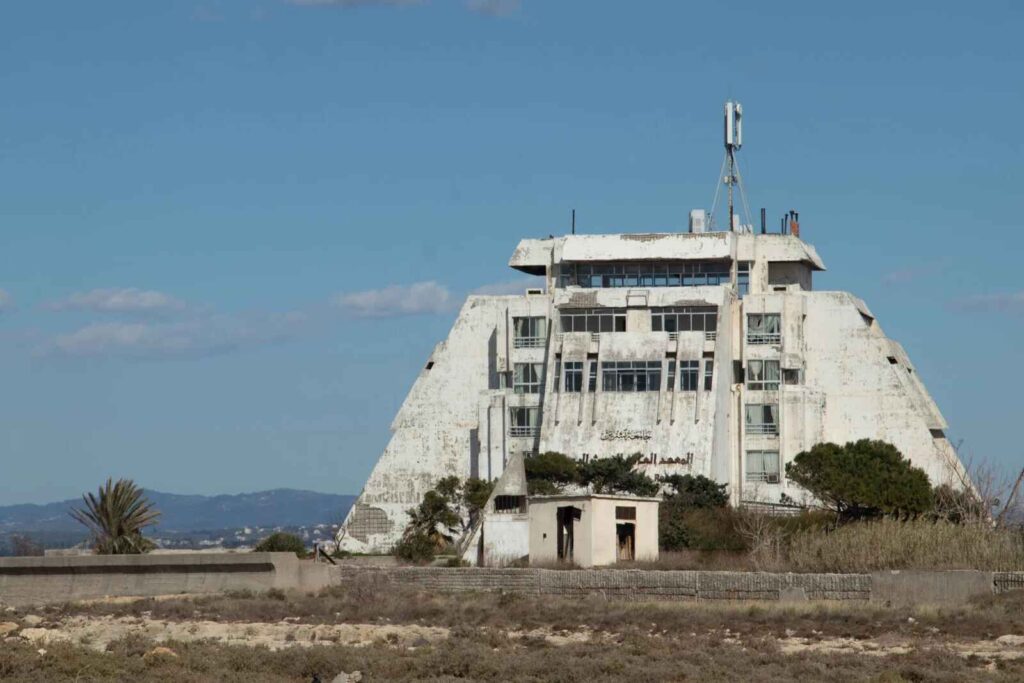
The High Institute for Marine Research is a scientific centre situated on the Syrian coast in Latakia. The building’s architecture intended to meet the institution’s functional needs whilst also creating a landmark for the scientific community.
Building in the Mediterranean

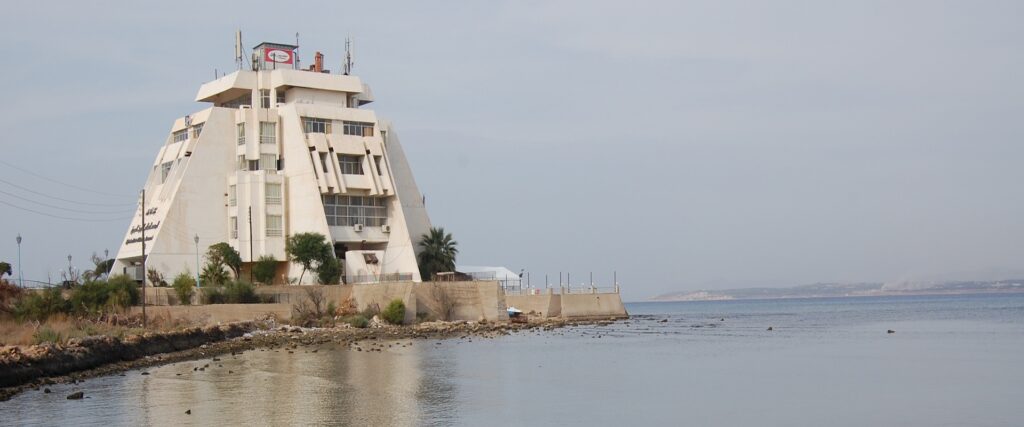
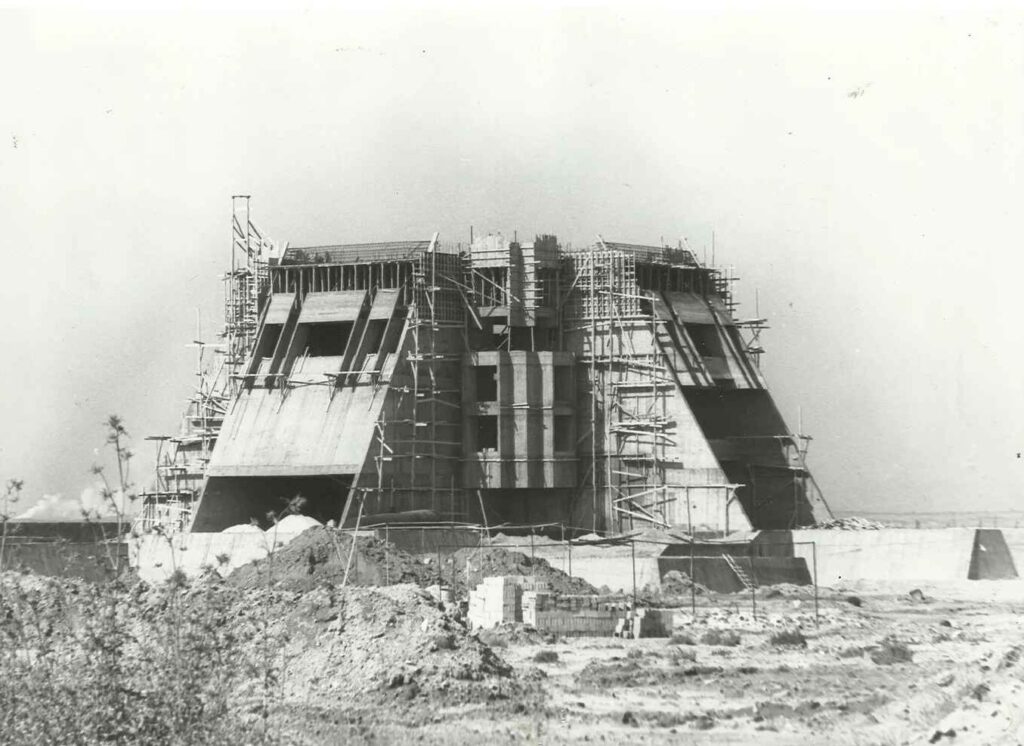
The building was designed in 1971 by the Syrian architect Bourhan Tayara (1935–2018) after the establishment of the scientific institution. Following a year-long survey of the Syrian Mediterranean coastline (183 km from Turkey to Lebanon), the Latakia site was selected for its geographical and topographical qualities. On the one hand, it offers unobstructed views in three of the four cardinal directions (east, west, north) due to its position at the tip of the Ras Ibn Hani peninsula, a valuable advantage for Syria, whose access to the sea is limited to the west. On the other hand, the site offers a large, flat and rocky area, making it possible to incorporate the foundations of an imposing building within a challenging coastal environment.

Marine research centre under construction. Image © Digitised by AMASyria, courtesy of Mamoun Al Wareh
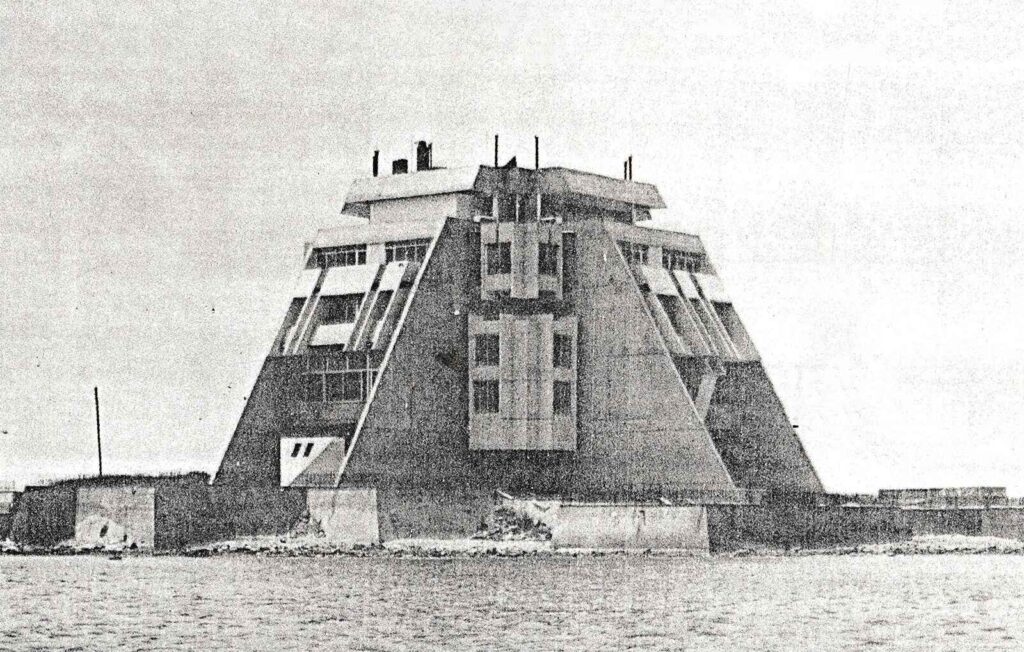
Center for Marine Research under construction. Image © Digitized by AMASyria, courtesy of Mamoun Al Wareh
© Aga Khan Trust for Culture, 1982

Order and Balance

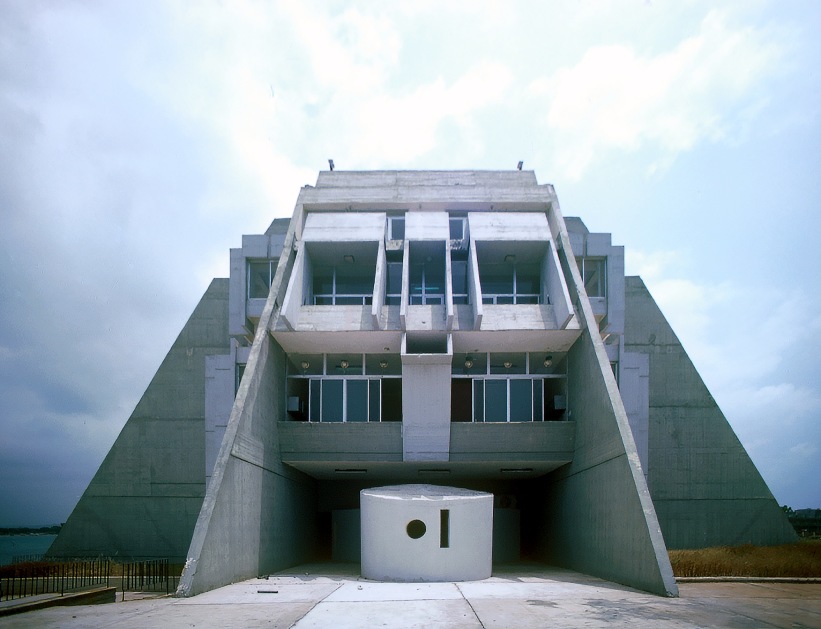
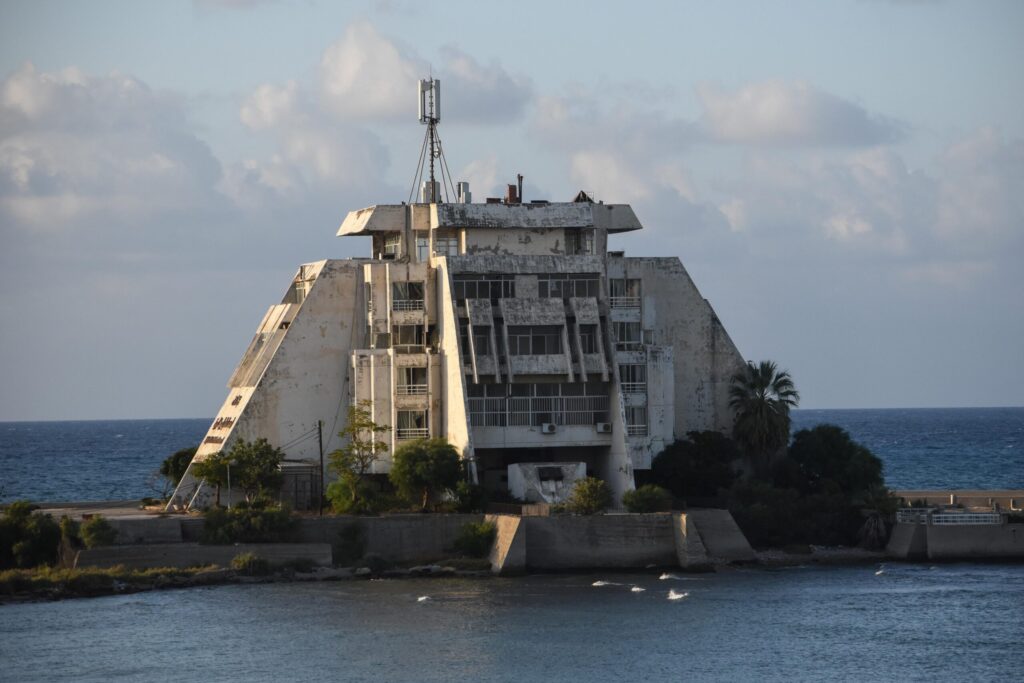
The architect explains that he wanted the building’s walls to convey a sense of order and balance to the Institute’s staff, who face a turbulent sea. Its form is a structural response to the challenges posed by the strong coastal winds. This need for structural stability has resulted in a monumental architectural design resembling a truncated pyramid. This pyramid comprises four wings, at the centre of which rises a central atrium, the heart of the science centre. Each wing is defined by two sloping concrete walls. At the junctions of each wing are two superimposed cubic volumes.

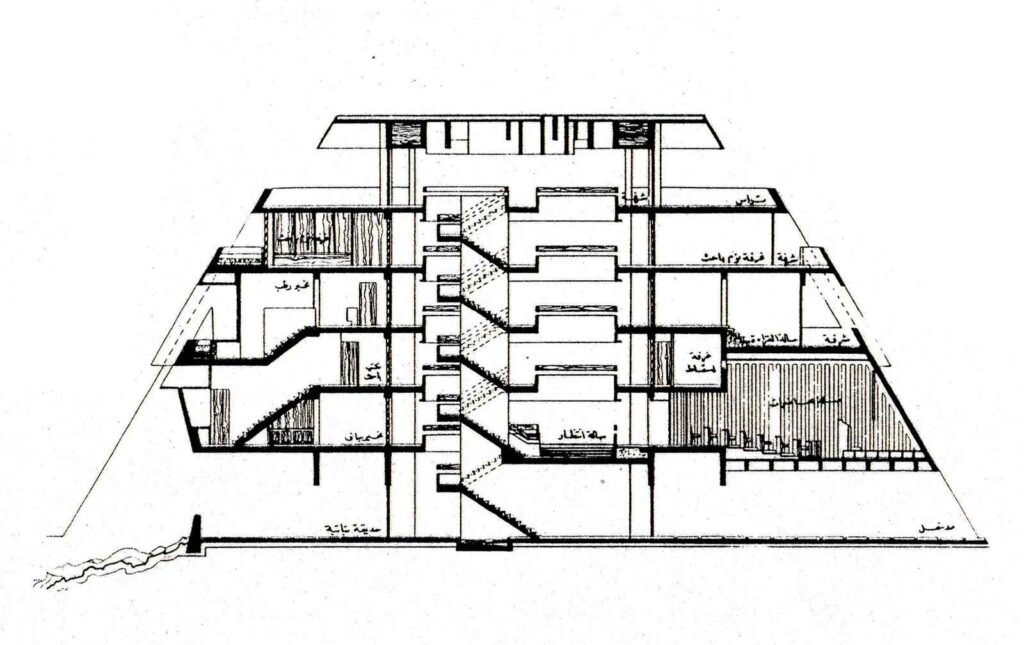
This compact design gives the centre a stable, solid and imposing appearance, even though it comprises only four storeys. The storeys and wings accommodate the research centre’s various requirements, housing machine rooms, a lecture theatre, meeting rooms, administrative offices, offices, laboratories, a reading room, accommodation and dormitories. On each storey, internal balconies open onto the central atrium, which organises the space.

Latakia Center for Marine Research Mediterranean

Landmark of The Sea

Bourhan Tayara sought to design a cultural landmark that would serve as a symbolic link for the scientific community in Syria and with other Mediterranean institutions. Firstly, due to its location on the peninsula, the centre overlooks the sea and is visible in exactly the same way from all directions, like a reassuring lighthouse. Secondly, through its composition, the trapezium-shaped rooms and their reflection in the water are intended to be an abstraction of sails floating on the Mediterranean. Finally, through its integration into the landscape, the decision to utilise natural ventilation throughout the building’s interiors (with the exception of the laboratories) is a technical solution that embraces the surrounding environment; the ground floor is entirely open to the outside, and air circulates from the central atrium towards the wings.

Latakia Center for Marine Research Mediterranean

The monumental geometry of the Higher Institute for Marine Research is, above all, a functional response to the institution’s needs. Its maritime architecture, not without symbolism, reflects Bourhan Tayra’s desire to create a space of scientific reference.

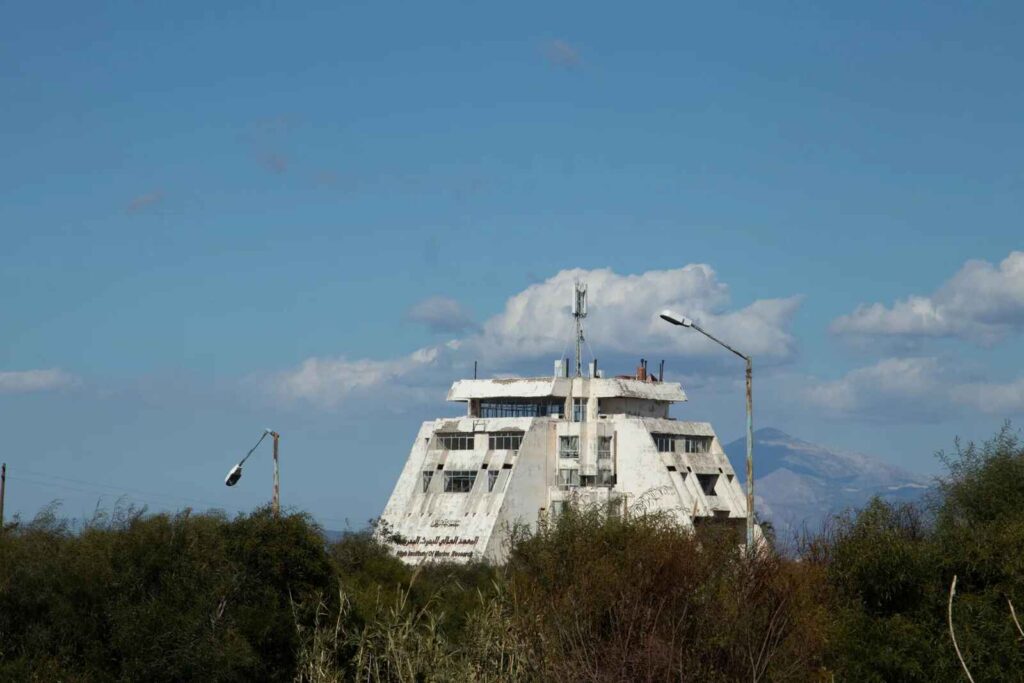
The Syrian modernist building stands out in a landscape where no similar structures can be found in the eastern Mediterranean. This architectural gem is, sadly, now abandoned and in a state of disrepair. The scientific beacon has gone out, and the Mediterranean climate is gradually accelerating the erosion.

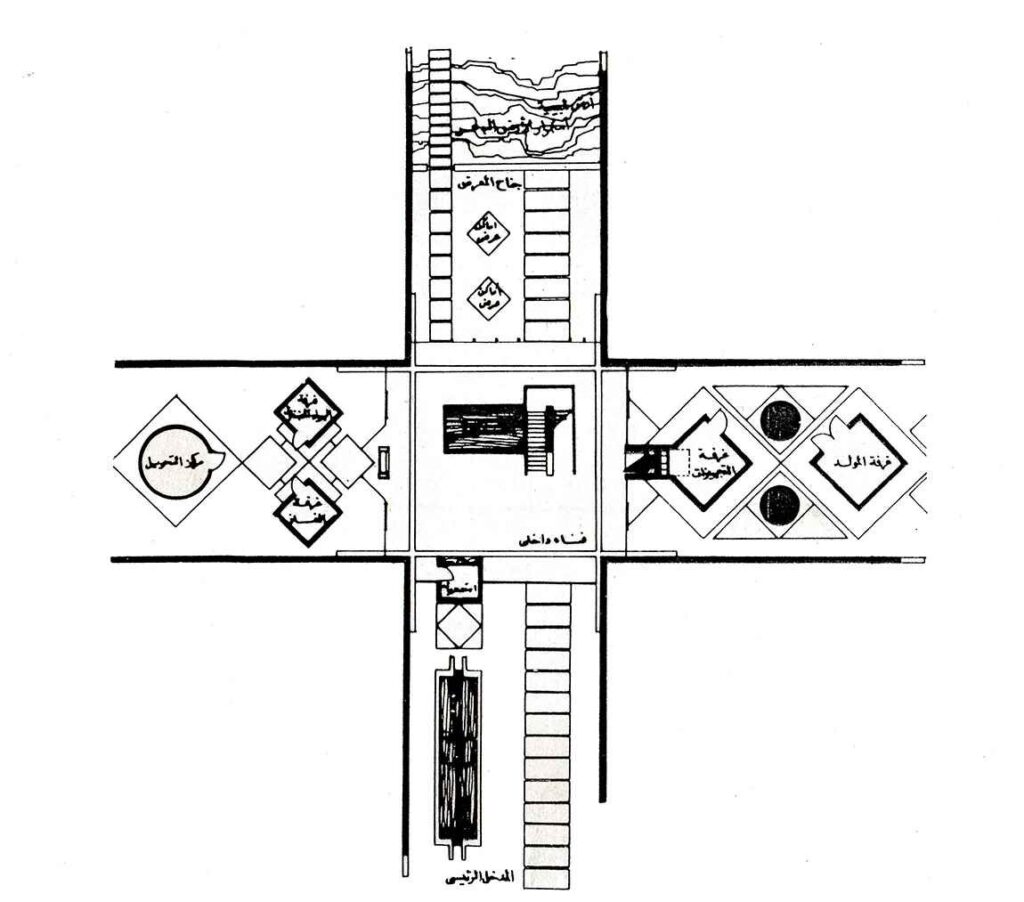
Marine Research Centre – Ground floor plan. Image © Burhan Tayara, published in Alam Al Benaa [Issue 40 1983]. Digitized by AMASyria
Marine Research Centre – Section. Image © Burhan Tayara, published in Alam Al Benaa [Issue 40 1983]. Digitized by AMASyria
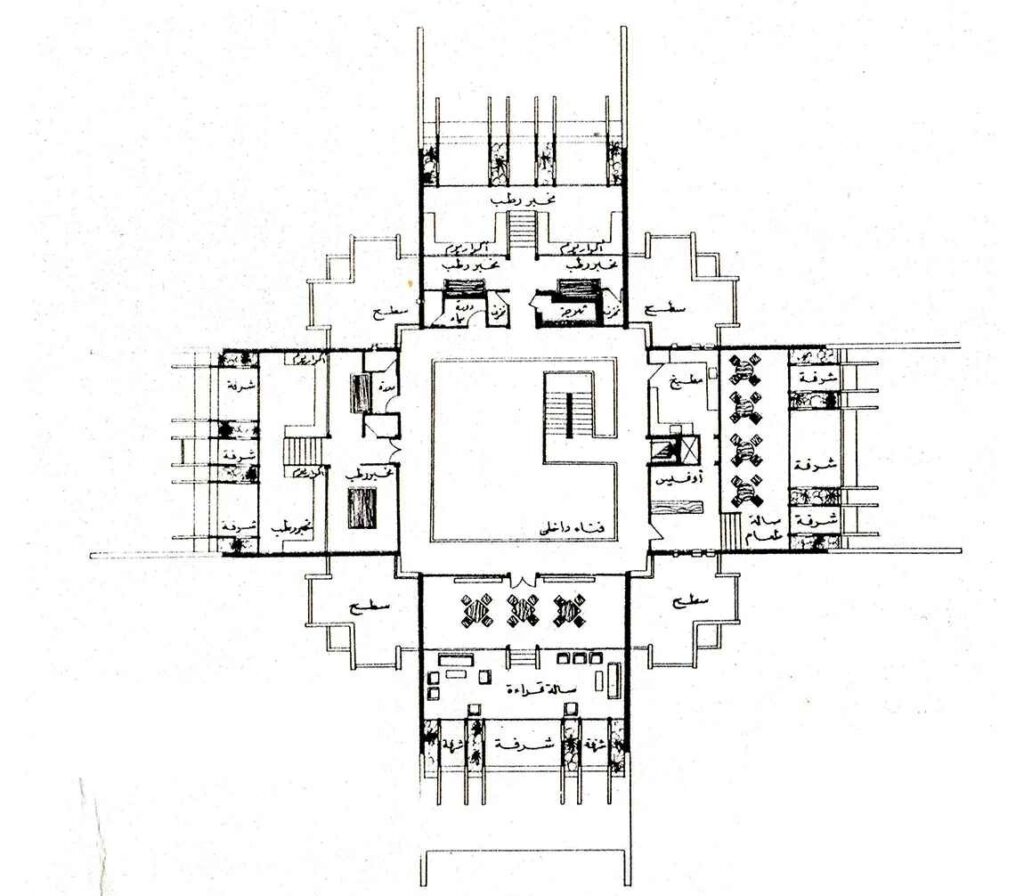
Marine Research Centre – Mezzanine floor plan. Image © Burhan Tayara, published in Alam Al Benaa [Issue 40 1983]. Digitized by AMASyria
Written by Martin Jutteau
Comments

No comments yet — be the first to share your thoughts.

Leave a comment

Your email address will not be published. Required fields are marked *

Back to top

Begin typing your search term above and press enter to search. Press ESC to cancel.

Back To Top